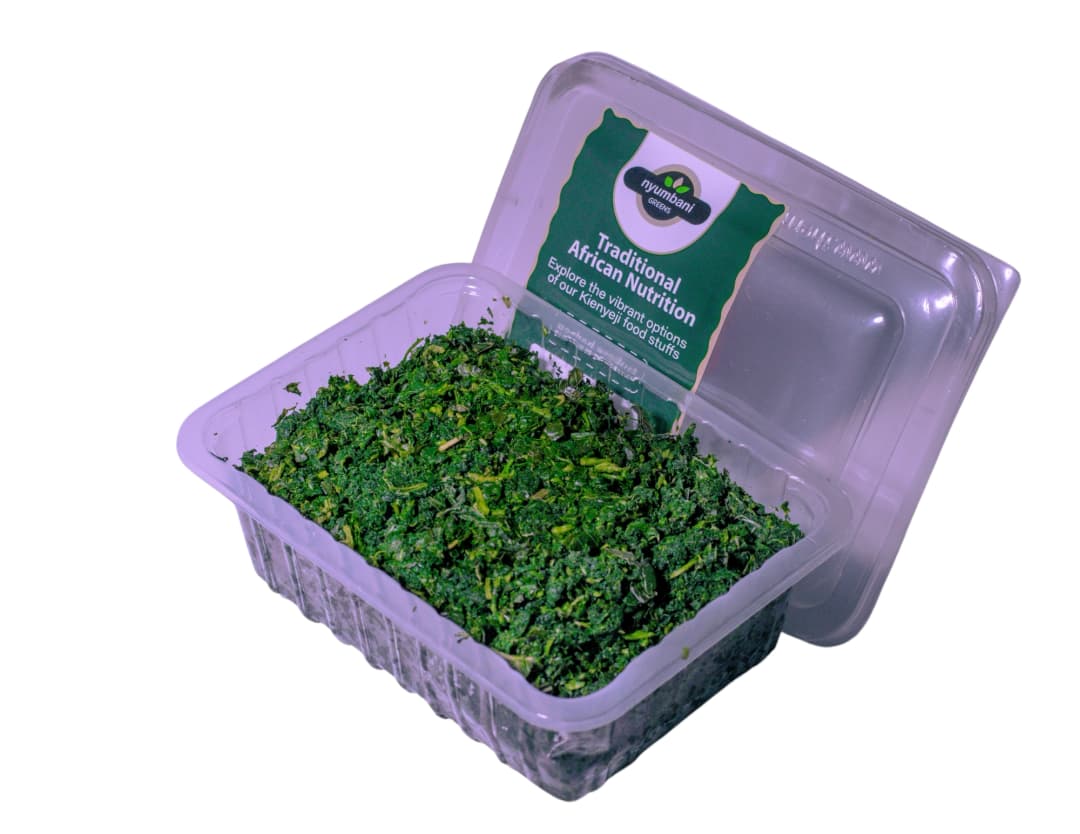
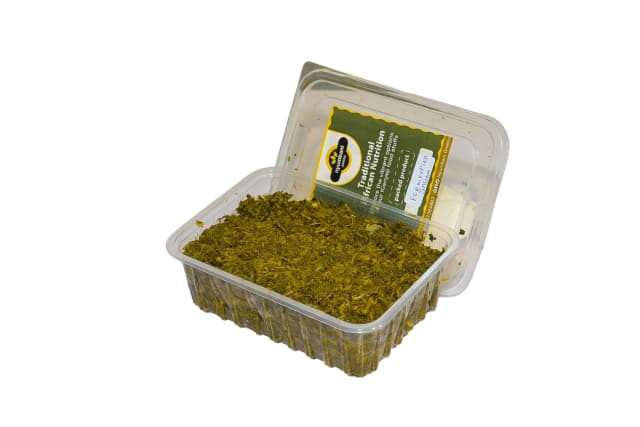
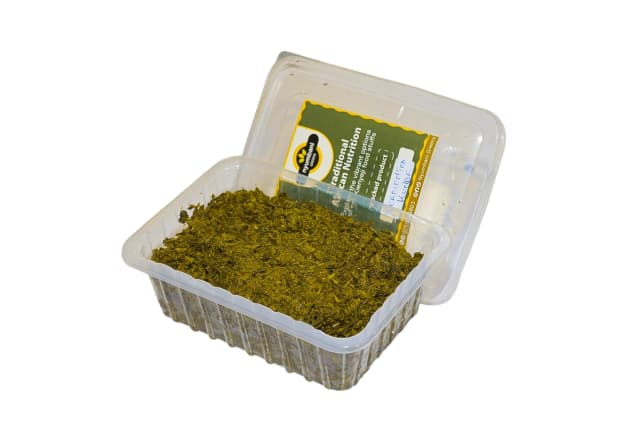
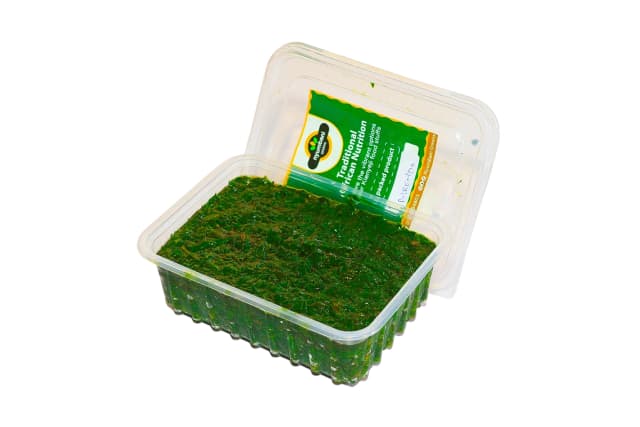
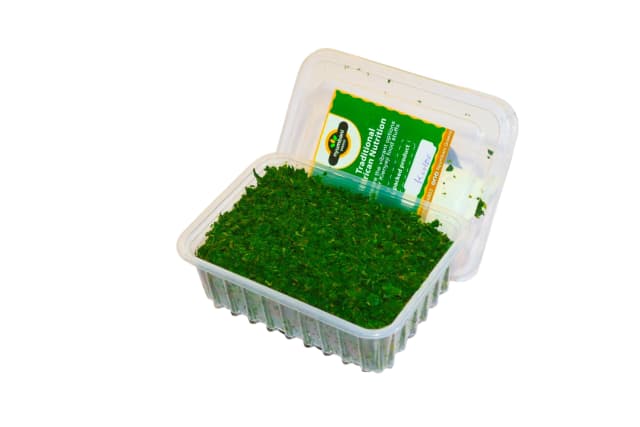
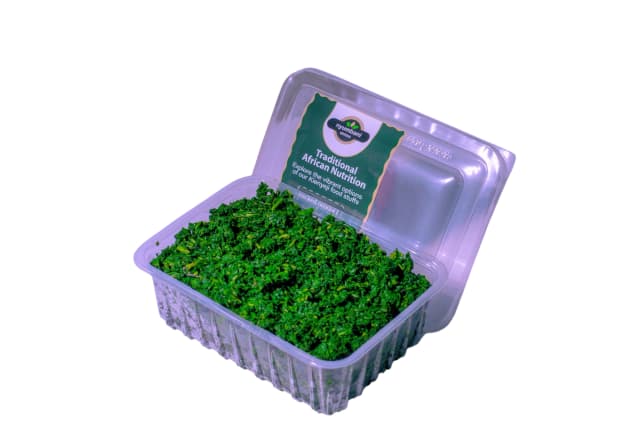
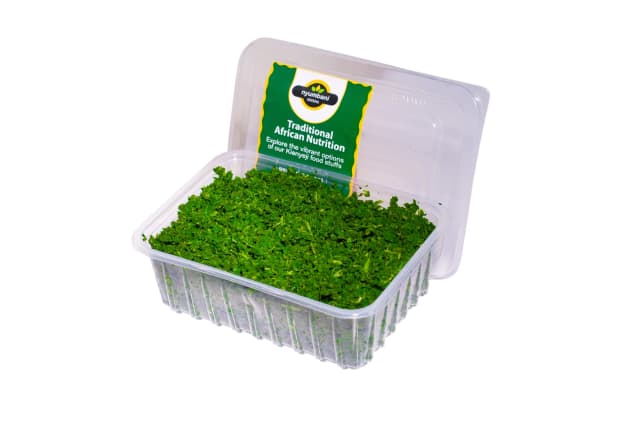
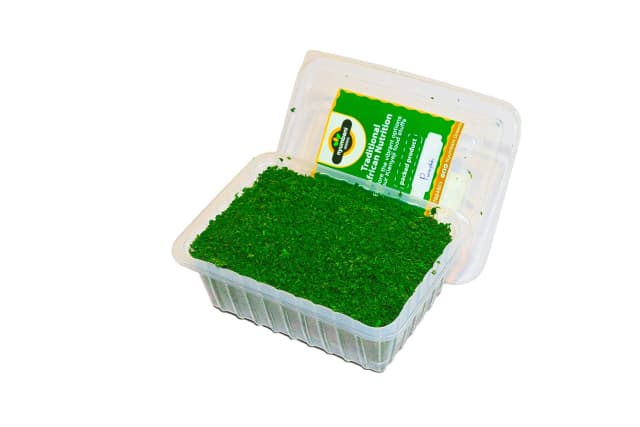
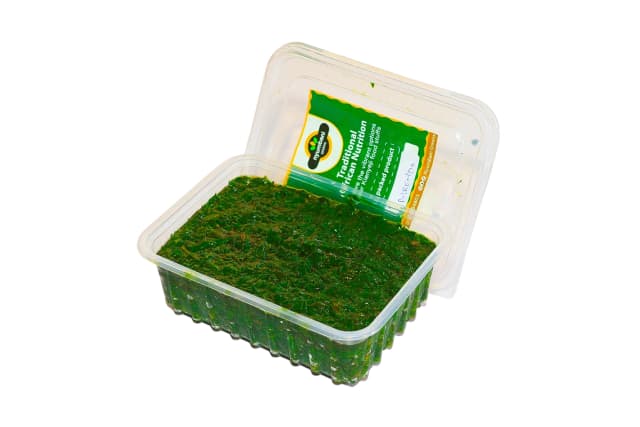
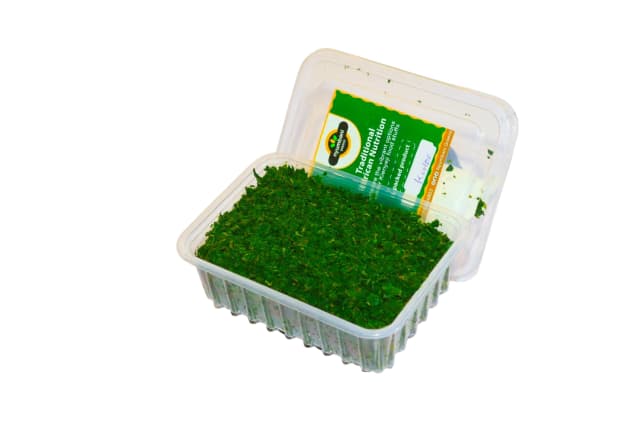
Managu, also known as African nightshade or Solanum scabrum, is one of Kenya's best-known indigenous vegetables. It has a long history in Kenyan kitchens, once considered a humble, everyday green and now recognized as a nutritional powerhouse, prized for its slightly bitter flavor and dense concentration of vitamins and minerals.
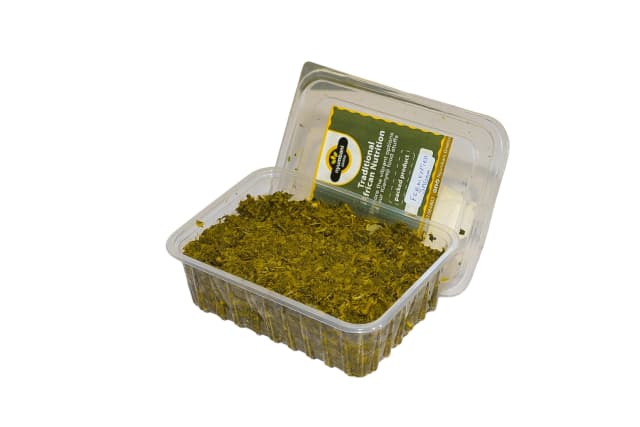
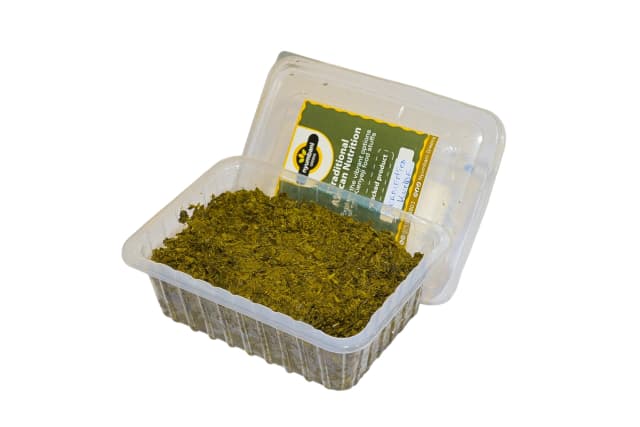
Blanching is a quick cooking method where the leaves are briefly boiled or steamed, then cooled rapidly. This process locks in the vegetable's vivid green color and preserves much of its nutrient content, while also softening its characteristic bitterness. The result is a leafy green that is tender, easy to prepare, and gentler on the palate than raw managu.
Managu is a strong source of iron and calcium, along with vitamins A and C and dietary fibre, making it a valuable addition to a balanced diet. Its slightly bitter, earthy taste pairs especially well with dairy. A traditional way to prepare it is to sauté onions and tomatoes, then stir in milk, mala, or sour cream to mellow the bitterness further before adding the managu. It also works well mashed with potatoes and peas for a mukimo style dish, or served simply alongside ugali and a protein of your choice.
Every batch is sourced from local farms that grow managu using organic methods, without synthetic pesticides or fertilizers. We blanch it fresh and deliver it directly to your door across Kilimani, Kileleshwa, Lavington, Karen, Lang'ata, Westlands, and South B. Order blanched managu today for a nutrient-rich, ready-to-cook indigenous vegetable.
Blanched or fermented?
Blanched managu keeps the vegetable close to its fresh state, mildly softened and ready to cook straight away. Fermented managu goes a step further, developing a tangy flavor and added probiotics through natural fermentation. Choose blanched if you want a quicker, milder cooking experience, or fermented if you prefer a tangier taste with gut health benefits.
User queries are answered here
What does blanching do to managu?
Blanching briefly boils or steams the leaves, which preserves their color and nutrients while reducing their natural bitterness, making them easier to cook and eat.
How should I cook blanched managu?
Saute onions and tomatoes, then add milk or mala to mellow the bitterness before stirring in the managu. It also works well mashed with potatoes and peas, or served with ugali.
What is the difference between blanched and fermented managu?
Blanched managu is mildly softened and closer to fresh in taste. Fermented managu has a tangy flavor and added probiotics from natural fermentation.
Is managu nutritious?
Yes. It is rich in iron, calcium, vitamins A and C, and dietary fibre.
Where does Nyumbani Green deliver blanched managu?
We deliver across Kilimani, Kileleshwa, Lavington, Karen, Lang'ata, Westlands, and South B.